Fibre Broadband Jobs UK: 10 Careers in Full Fibre
16 Sept, 20269 MinutesA full-fibre network starts long before an engineer arrives at somebody's front door.Someone...

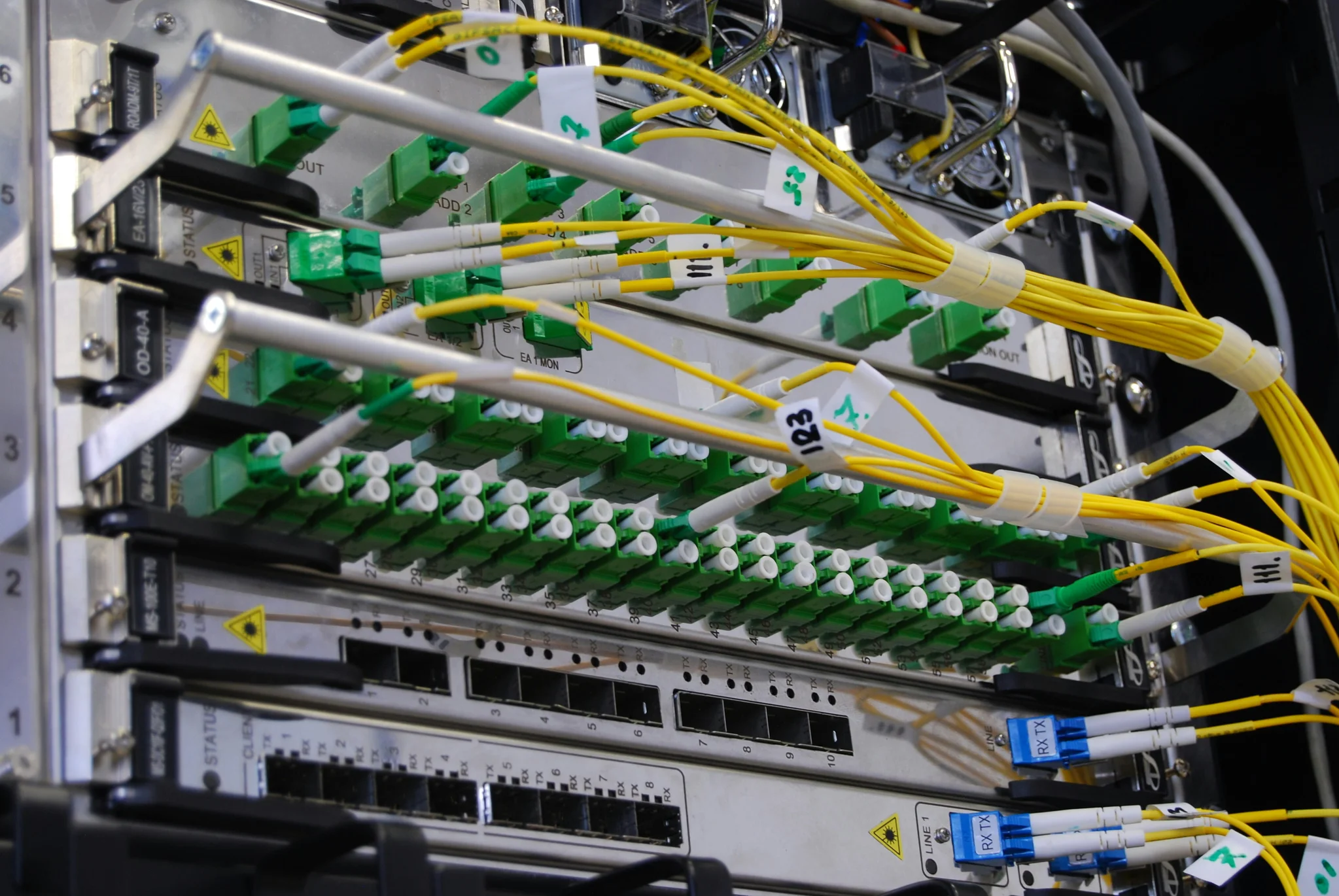
A full-fibre network starts long before an engineer arrives at somebody's front door.
Someone needs to work out where the network should go. Someone has to turn that route into a design that can actually be built. Civils teams prepare the infrastructure, engineers install and splice the fibre, commissioning teams test it and, once customers are connected, another set of people are responsible for keeping the network running.
Depending on where you sit in the lifecycle of the network, you could be planning routes using GIS, managing teams on a live FTTP build, splicing fibre underground, tracing a network fault from an OTDR result or overseeing delivery across an entire region.
And although the UK rollout is now much further along than it was a few years ago, the work has not stopped. Full-fibre broadband is now available to around 85.7% of UK premises, while Openreach says its own network reaches more than 23 million homes and businesses and is still working towards 25 million by the end of 2026.
The market is changing from pure rollout at pace towards a mix of build, connection, optimisation, maintenance and network operations. For people working in the sector, that means the career paths are changing too.
Here are ten fibre broadband jobs we see across the market, what you could actually be doing in them and where they can take you next.
1. Fibre Network Planner
Before a trench is opened or a cable is pulled, somebody needs to decide how the network is going to reach its destination.
That is where fibre network planners come in.
A planner might work with survey data, existing duct and pole infrastructure, geography and premises information to create a viable route through an area. Much of the work happens in GIS and network-planning platforms, but the real skill is creating something that still makes sense when a delivery team gets to site.
On a typical project, you could be:
- reviewing survey and infrastructure data
- planning network routes and connection points
- identifying potential build constraints
- working with design and delivery teams to resolve issues
- updating plans as site conditions change
Field experience can be a real advantage here. If you have spent time around live network builds, you already understand some of the things that look easy on a drawing but cause problems on the ground.
For fibre engineers, surveyors or people already working closer to delivery, planning can be one route into a more design-led career.
2. OSP Designer
Once a route has been planned, somebody has to turn it into a detailed network design. An Outside Plant, or OSP, designer gets much deeper into how the network will actually be constructed. That can include duct routes, chamber positions, fibre counts, splice locations and the physical path between different parts of the network.
This is where technical knowledge and practical judgement meet. The design needs to be technically correct, but it also needs to be buildable.
Someone who has worked in field engineering, surveying or fibre construction will often bring valuable experience into this kind of role because they understand what happens after a design leaves the screen.
Our fibre recruitment work spans planning, surveying, network build, splicing, testing and project delivery, so we regularly see how experience in one part of the lifecycle can open up opportunities in another.
3. Telecoms Civils Operative
Before fibre can travel through a network, the physical route needs to exist.
Telecoms civils teams are responsible for a lot of the infrastructure underneath the rollout. Depending on the project, that could involve excavation, duct installation, chamber construction, clearing blockages or reinstating roads and pavements after work is complete.
It is physical work, often outdoors and sometimes in difficult conditions. It is also one of the parts of the build where getting the basics right matters enormously. A poorly installed duct or badly positioned chamber can create problems for every team that follows.
Useful experience in civils can include:
- NRSWA Street Works
- duct and chamber installation
- excavation and reinstatement
- working around existing utility infrastructure
- reading network and construction plans
- understanding operator build standards
For people who prefer hands-on infrastructure work to office-based design, it can offer a strong route into wider fibre and utilities projects.
4. Fibre Splicer
Splicing is one of the most recognisable technical skills in fibre. Fibre splicers prepare and join individual strands of optical fibre using fusion-splicing equipment, then test those connections to make sure the signal is performing properly.
The work could take place underground, overhead, inside a chamber or within a building.
What makes the role challenging is the level of precision involved. You might be working through dozens of fibres in an environment that is cold, cramped or wet, but the quality of the connection still needs to be consistent.
A good splicer will usually be comfortable with:
- fusion splicing
- OTDR testing
- power meters and testing equipment
- interpreting test results
- identifying faults
- working across different network environments
Those skills are also highly transferable. Whether the project is a residential FTTP rollout, commercial network or wider infrastructure programme, somebody needs to make sure the fibre itself performs.
5. Fibre Installation Engineer
This is where the network reaches the customer. A fibre installation engineer may be responsible for taking the connection into a home or business, installing equipment such as the ONT, testing the service and making sure the customer is online before leaving.
It sounds like a straightforward last step, but every property is different. Routes into buildings can be awkward. Existing cabling may create issues. Equipment may not behave as expected. And because you are often working directly with the end user, communication matters as much as technical ability.
You could spend a typical day:
- pulling or blowing fibre
- installing customer equipment
- carrying out basic testing
- diagnosing installation issues
- explaining the setup to customers
- updating job and network records
For people entering the fibre market, installation can also give you a useful grounding in how the access network works before progressing into areas such as splicing, fault finding or more advanced field engineering.
6. Fibre Fault and Maintenance Engineer
Once the network goes live, the challenge changes. Instead of building something new, you are trying to understand why an existing service is not working properly.
That is the job of a fault and maintenance engineer. A fault could be caused by damaged fibre, a poor splice, an issue at a connection point or something further along the network.
The engineer needs to work backwards through the evidence. That can involve OTDR testing, inspecting physical infrastructure, checking joints and tracing the problem through different sections of the network. This is where engineering becomes much more diagnostic. If you enjoy being handed a problem rather than a set installation process, maintenance and fault work can be a really interesting direction to take your career.
7. Test and Commissioning Engineer
Before a newly built section of network is signed off, someone needs to prove that it works. Test and commissioning engineers provide that final layer of quality assurance.
Their role can include carrying out OTDR and light-loss testing, checking that infrastructure meets the operator's standards and making sure the correct technical records exist before handover.
Commissioning is often where problems are picked up before they become live-network problems. Typical responsibilities can include:
- checking test results
- identifying excessive loss or other faults
- validating network build quality
- reviewing as-built documentation
- working with build teams to resolve defects
- supporting technical handover
It can be a strong route for fibre engineers who enjoy the testing and diagnostic side of the job more than installation itself.

8. OSP Construction Manager
As experience grows, a fibre career can start to become less about completing one task and more about making sure an entire section of build is delivered properly.
OSP construction managers sit right in the middle of that. They may oversee contractors, monitor construction quality, deal with problems on site and coordinate delivery across multiple work areas.
Right now, our own recruitment activity includes OSP construction and wider project-delivery positions, reflecting the demand for people who understand both the physical network and the realities of delivering it.
In a role like this, you could be responsible for:
- managing field and civils contractors
- checking progress against build plans
- resolving construction problems
- overseeing safety and quality
- coordinating with planners, engineers and clients
- keeping delivery moving when conditions change
For someone who has come up through the field, it can be a natural move into management without losing that connection to the network itself.
Fibre Project Manager
A live fibre build can involve planners, surveyors, civils teams, splicers, engineers, contractors, local authorities and clients at the same time.
Someone has to keep all of that moving. That is where project managers come in.
You might start the day dealing with a delayed civils package, spend the afternoon resolving a design issue and finish it reviewing whether the programme can still hit its next milestone.
Technical knowledge is useful because you need to understand why something that looks like a small issue can hold up several other teams. Strong fibre project managers tend to combine industry understanding with:
- stakeholder management
- programme and resource planning
- contractor management
- commercial awareness
- risk management
- clear communication
We recruit across project and delivery roles alongside hands-on engineering, which gives us a good view of how those career paths connect. Someone who starts close to the network can ultimately find themselves responsible for delivering much larger programmes.
10. Build and Delivery Manager
At the senior end of fibre delivery, the scale gets bigger again. A build or delivery manager may be responsible for multiple projects, an entire region or a significant workstream within a larger network programme.
At that level, the questions change.
Instead of asking whether one job has been completed, you may be asking:
- Which areas are falling behind?
- Where are we short of resource?
- Which contractors are performing well?
- What is affecting build quality?
- Where are costs increasing?
- Which issues are putting the programme at risk?
The role is more strategic and commercial, but the best delivery leaders still tend to understand what is happening on the ground. That is one reason fibre offers such a broad career path. Someone can start in field engineering and, over time, move through supervision, project management and eventually into regional or programme leadership.
What Fibre Roles Are We Seeing in the Market?
One of the useful things about recruiting in this sector every day is that we can see how the shape of hiring changes as the infrastructure itself matures.
The work is no longer only about hiring huge numbers of installation engineers for new rollout.
We are seeing demand across areas including:
- OSP construction and network build
- fibre engineering and splicing
- planning and surveying
- project and delivery management
- testing and network quality
- civil engineering
- infrastructure operations
Our own fibre and civil engineering practice recruits across the full network lifecycle, from planners, surveyors, splicing and testing engineers through to network build managers and project and delivery managers.
That breadth matters for candidates because your next move may not have the same job title as the one you have now. The skills you are building today can often transfer into another part of the network.
How Fibre Connects with Data Centres and AI Infrastructure
Fibre does not sit on its own. The networks being built across the UK ultimately form part of a much bigger digital infrastructure ecosystem.
Data centres need high-capacity, resilient connectivity. Cloud platforms depend on networks moving huge amounts of data between locations. And the growth of artificial intelligence is increasing demand for both compute infrastructure and the connectivity that joins it together.
That means the people building and operating fibre networks are contributing to the same infrastructure shift driving growth across data centres, cloud and AI.
At Hamilton Barnes, we recruit across fibre and civil engineering as well as data centres and AI infrastructure. That gives us a wider view of where those markets increasingly overlap. For example, our data centre recruitment teams work across areas including:
- data centre construction
- critical facilities
- data centre IT
- AI infrastructure
- networking
- commissioning and operations
For candidates with strong infrastructure experience, that can create longer-term opportunities beyond a single specialism.
A fibre or network background will not automatically qualify somebody for a data centre role, but understanding connectivity, infrastructure delivery and mission-critical environments can provide a useful foundation as those markets continue to converge.
Is Fibre Still a Good Career in 2026?
Yes, but the market is evolving. The UK has already reached around 85.7% full-fibre availability, and coverage growth has naturally slowed compared with the fastest years of the rollout.
That does not mean fibre work disappears. It means the balance of work changes.
There are still new areas to build. Openreach is working towards 25 million premises by the end of 2026 and intends to continue towards as many as 30 million by the end of the decade.
At the same time, networks that have already been built need:
- customers connected
- faults repaired
- infrastructure maintained
- new capacity added
- existing networks tested and upgraded
- experienced people to manage ongoing delivery
For someone planning a long-term career, that makes transferable skills more important than simply chasing the busiest part of the market at one moment in time.
Splicing, testing, network design, project delivery and fault finding are skills that remain useful even as the focus of the industry shifts.
How Do You Start a Career in Fibre?
There is no single route in. Some people start through apprenticeships or trainee field roles. Others arrive with experience from telecoms, utilities, civils, cabling or another engineering environment.
The right starting point depends on the kind of work you want to do.
- If you prefer practical, field-based work, installation or civils may make sense.
- If you enjoy technical detail and diagnostics, splicing, testing or fault engineering may be a better fit.
- If you prefer planning and problem-solving away from site, network planning and design can offer another route.
- And if you already have several years of industry experience, project and delivery roles can be the next step.
The most useful thing you can do is work backwards from the role you want and identify the experience or certifications employers are consistently asking for.
What Qualifications Help with Fibre Jobs?
There is no universal fibre qualification, but some skills and certifications come up regularly.
For field and construction roles, these can include:
- NRSWA Street Works
- fusion-splicing training
- OTDR testing
- working-at-height qualifications
- underground and overhead network experience
- operator-specific network accreditations
For network planning and design, employers may also look for experience with GIS and specialist design platforms.
Management roles tend to rely less on one qualification and more on evidence that you can successfully deliver projects, manage stakeholders and lead teams.
Where Could Your Fibre Career Take You?
There is no single answer. You could start installing connections and discover that you enjoy diagnosing faults. You could become a specialist splicer. You could take site experience into network planning or design. Or you could eventually move into OSP construction, project management and regional delivery.
That is one of the things we like about this market: the career does not have to stay in one lane.
The important part is understanding which side of the network interests you and building skills that move you towards it.
Looking for Your Next Fibre Role?
We work with organisations across fibre, civil engineering and wider digital infrastructure, recruiting permanent and contract professionals from hands-on engineering through to senior project delivery.
Because we speak to employers and candidates across the market every day, we can also give you a realistic view of where your experience fits, what skills are being asked for and which direction could make sense for your next move.
Explore our latest fibre jobs, or speak to our fibre and civil engineering recruitment team about what you want to do next.
Frequently Asked Questions
What jobs are there in fibre broadband?
Fibre broadband jobs include network planners, OSP designers, civils operatives, fibre splicers, fibre installation engineers, fault and maintenance engineers, test and commissioning engineers, construction managers, project managers and delivery managers.
Are fibre engineer jobs still in demand in the UK?
Yes. The market is changing as full-fibre coverage increases, but network build, installation, maintenance, testing, fault resolution and project delivery continue to require experienced fibre professionals.
Do I need experience to work in fibre?
Not for every role. Apprenticeships, trainee positions and some installation roles can provide routes into the sector. More specialist positions such as splicing, network design, testing and fault engineering usually require relevant training or hands-on experience.
What qualifications do you need for fibre broadband jobs?
It depends on the role. Useful qualifications can include NRSWA Street Works, fusion-splicing and OTDR training, working-at-height certificates and network-specific accreditations. Planning and design positions may require GIS or specialist design-software experience.
What is the career path for a fibre engineer?
There is no single route. Fibre engineers may progress into specialist splicing, testing or maintenance roles, move into network planning and design, or progress into supervision, project management and delivery leadership.
Can fibre experience lead to data centre jobs?
Some skills can transfer, particularly where roles involve network infrastructure, connectivity, project delivery or mission-critical environments. However, data centre positions often require additional experience in areas such as critical facilities, electrical or mechanical systems, data centre IT or commissioning.
Related Posts

How to Become a Fibre Engineer: UK Career Path
05 Oct, 2026

Germany’s Data Center Market: Operators Shaping Growth
28 Sept, 2026