How to Build a Scalable Contract Workforce Across Multiple US States
16 Feb, 20266 minutesHow to Build a Scalable Contract Workforce Across Multiple US StatesAcross the US, contract ...

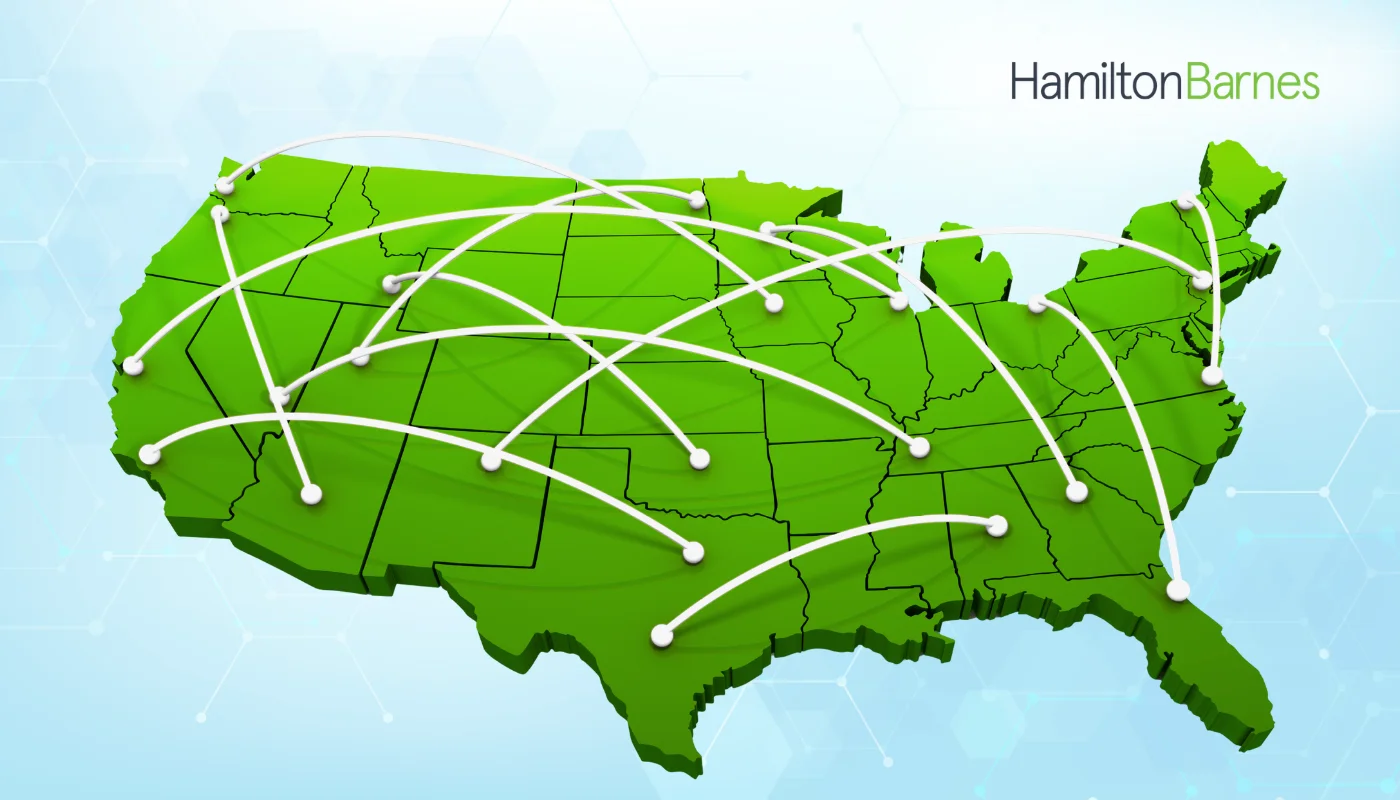
How to Build a Scalable Contract Workforce Across Multiple US States
Across the US, contract hiring has moved from a stop-gap solution to a core workforce strategy.
Cloud migrations, data centre expansion, fibre deployment, cybersecurity programmes, and large transformation projects rarely sit in one location anymore. Teams are deployed where the work is - sometimes on site, sometimes fully remote, often both at once. Businesses need specialist expertise quickly, for defined periods, and without committing to long-term headcount.
So companies turn to contractors.
Then they hit the problem.
The United States is not one hiring market. It is 50 different ones.
Every state has different employment definitions, tax rules, onboarding requirements, and worker protections. The approach that works perfectly in one state can create compliance risk in another. Suddenly a simple scaling plan becomes administrative overhead, payroll complexity, and delayed project starts.
The challenge is not finding talent.
The challenge is scaling efficiently without breaking compliance.
Why Scaling Contractors Is Harder Than It Looks
Many organisations grow contract teams reactively. A project lands, talent is needed, hiring begins. It works at first, then friction appears.
Common issues include:
- Misclassified workers
- Delayed onboarding
- Payroll errors across states
- Insurance gaps
- Inconsistent rates and margins
- Project delays while approvals catch up
The more states involved, the slower the process becomes.
The goal of a contract workforce is flexibility and speed. Without structure, expansion produces the opposite.
The Core Issue - Every State Operates Differently
Some states are contractor-friendly. Others enforce strict worker classification rules. Some require documentation before day one. Others focus heavily on payroll compliance.
Now add remote work.
An engineer may live in one state, report to a manager in another, and support infrastructure in a third. For physical deployments like network installations or data centre builds, teams may move across state lines throughout a project.
Without a defined operating model, the hiring process is rebuilt each time the project changes location.
That is not scalable.
The Solution - Build a Repeatable Operating Framework
To scale contractors across multiple US states, you do not need more recruiters.
You need a system.
Companies that struggle usually treat every project as unique. New paperwork. New rates. New onboarding. New approvals. It feels flexible, but it destroys speed.
Scalable contract hiring works the opposite way. The process stays the same. Only the people and locations change.
Here’s what that framework looks like.
1. Standardise Your Classification Strategy
Before you hire anyone, define how your workforce will exist.
Are they independent contractors? Employed contractors? Project consultants?
Many businesses decide this case-by-case, which creates legal risk and slows onboarding. A scalable model sets rules first, then hires inside them.
You should have:
- A defined engagement type per role category
- Pre-approved contract templates
- State-specific clauses ready to deploy
- Clear decision ownership
This prevents last-minute legal reviews every time a new state is added. The project team requests talent. They do not redesign employment structure.
Speed comes from removing decisions at the point of hiring.
2. Centralise Compliance, Payroll, and Documentation
Most scaling failures happen here.
When each department handles onboarding separately, organisations unknowingly create multiple hiring processes. That means inconsistent tax handling, missing forms, and delayed starts.
Instead, treat contractor administration like shared infrastructure.
You need one central process that manages:
- Multi-state tax handling
- Background checks
- Insurance verification
- Right-to-work documentation
- Payment cycles
- Audit records
From the outside, it should feel simple:
Manager requests engineer → engineer starts → engineer gets paid.
If project leaders must understand state law, the model will not scale.
3. Design for Mobility and Remote Work
Modern technical projects rarely stay in one place.
A rollout may begin remotely in planning, move on site for deployment, then shift back to remote support. Some engineers travel. Others remain remote. Many do both within the same contract.
Your hiring model must support location changes without restarting compliance.
That means:
- Location-agnostic onboarding
- Automatic state payroll adjustments
- Contracts valid across operating regions
- Clear travel and expense policies
If moving a contractor across state lines causes delays, projects lose momentum.
4. Pre-Build Commercial Structures
Hidden delays often come from pricing.
If each requirement triggers negotiation over rates, overtime, or expenses, hiring slows dramatically. Projects stall while approvals circulate internally.
Define commercial rules in advance:
- Regional rate bands
- Overtime structures
- Travel and accommodation policies
- Margin expectations
- Contract duration guidelines
Predictability enables immediate hiring decisions.
5. Build a Redeployable Talent Pool
Scalability is not just hiring fast. It is rehiring faster.
Strong contract models rely on trusted engineers moving between projects. This reduces onboarding time, lowers risk, and improves delivery quality.
Enable this through:
- Consistent onboarding experience
- Reliable payment cycles
- Clear communication
- Performance tracking
- Ongoing engagement between projects
When contractors trust the process, they return. When they return, scaling stops depending on market availability.
6. Separate Delivery From Administration
Project teams should deliver projects, not manage employment logistics.
When engineers or project managers chase timesheets, invoices, or tax status, efficiency drops. Scaling then requires more internal effort instead of less.
A scalable workforce removes administrative work from technical teams entirely.
Hiring should feel operational, not disruptive.
The Result
New state added → same process
New project → same onboarding
New engineer → same workflow
Growth stops creating complexity.
Instead of asking “can we hire there?” the business asks “how many do we need?”
Physical Projects and Remote Teams - Same Principles
Whether deploying fibre across multiple states or onboarding remote engineers for a migration, the requirement is identical: skilled people immediately, without operational overhead.
The difference between a stressful rollout and a smooth one is not project size.
It is whether your hiring infrastructure scales with it.
How Hamilton Barnes Can Help
For businesses needing fast, flexible support, Hamilton Barnes provides a seamless contractor recruitment service. We help organisations access skilled network, security, and telecommunications professionals on a project basis.
The process is simple: we source qualified engineers, manage onboarding and compliance, and handle all administration. You get access to expert talent exactly when you need it, with minimal hassle and risk. This approach allows businesses to meet deadlines, scale teams quickly, and maintain quality - without overloading permanent staff.
If you’d like to explore how contract engineers can help your business:
- Contact us to discuss your project needs here
- Learn more about our contract services here
- Upload a vacancy here
- Look at case studies from our other clients here
Hamilton Barnes makes it easy to bring specialist skills into your team whenever the need arises, whether it’s for a few days, several months, or longer-term projects.
Frequently Asked Questions
How quickly can a multi-state contract workforce be deployed?
With the right structure in place, contractors can often start within days rather than weeks. Delays usually come from compliance and payroll setup across states. When these processes are pre-built, deployment becomes predictable.
Do contractors have to be on site, or can they work remotely?
Both. Contract work supports physical infrastructure projects and remote operations. A scalable model should support on-site, hybrid, and fully remote engagements without changing the hiring process.
What are the risks of hiring contractors across multiple states?
The main risks are worker misclassification, incorrect tax handling, and failing to meet local labour regulations. Expanding without a structured process can lead to penalties or project disruption.
Is contract hiring only suitable for short-term projects?
No. Many organisations use contractors for long-term programmes and ongoing support, redeploying engineers between phases as needs change.
How do you maintain quality when scaling quickly?
Using repeat talent pools, structured onboarding, and consistent communication maintains standards while allowing rapid growth.
Can contract engineers integrate with permanent teams?
Yes. Contractors typically focus on delivery and specialist expertise, allowing permanent teams to concentrate on strategy and operations.
When should a business use a specialist recruitment partner?
Usually when projects span multiple locations, require specialist skillsets quickly, or internal teams lack the time to manage compliance and onboarding.
Ready to scale without complexity?
If your projects span multiple locations or require specialist expertise at short notice, contract hiring should accelerate delivery - not slow it down.
Speak to the Hamilton Barnes team today and build a workforce that grows as fast as your projects do.
Related Posts

How to Use Contract Engineers to Hit Tight Deadlines
27 Jan, 2026